
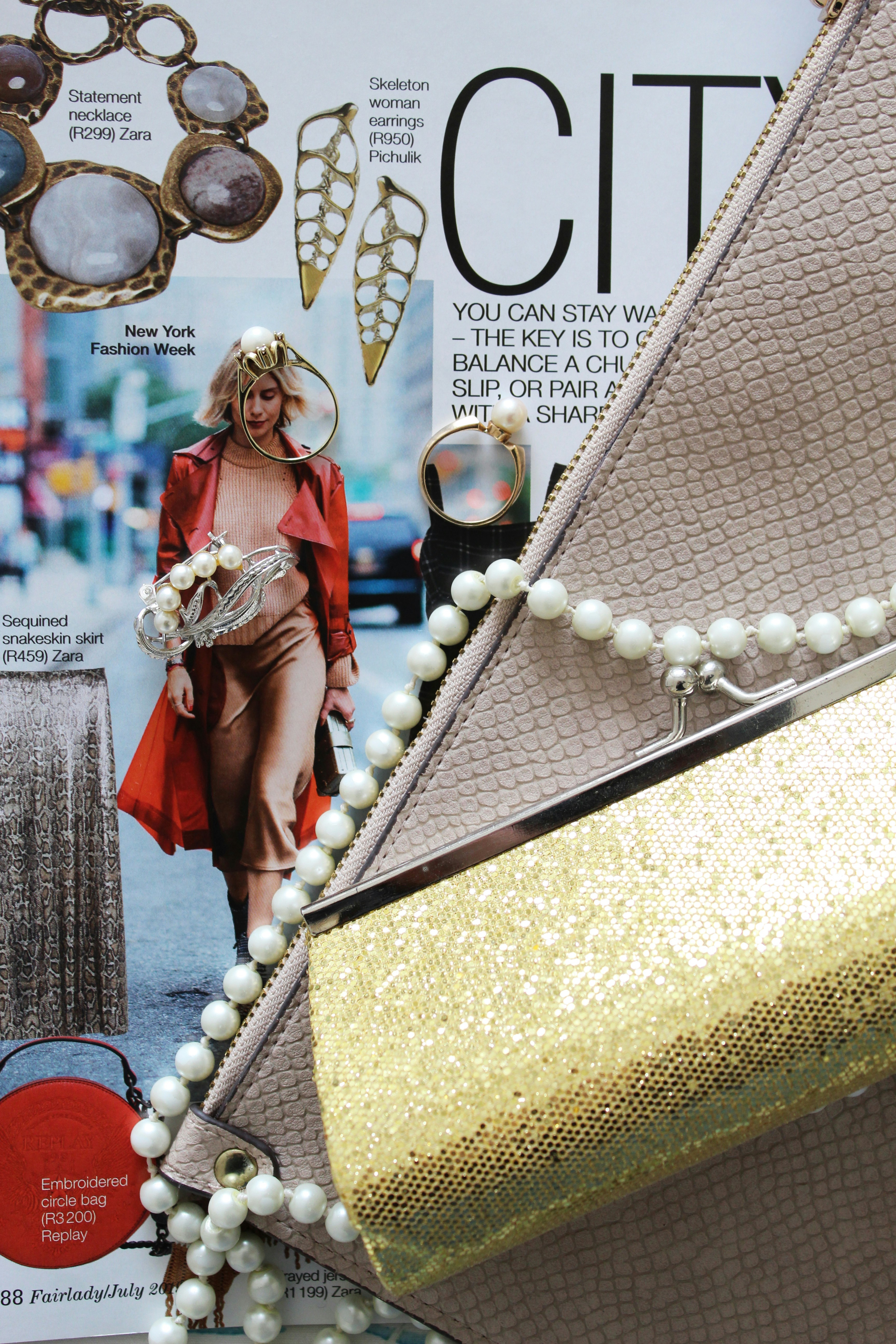
The Definition and Importance of Fashion
Fashion can be broadly defined as the prevailing styles in clothing, accessories, and behaviors that emerge within a specific time and cultural context. It encompasses a wide range of expressions and identities, acting as a dynamic and ever-evolving form of self-expression. By reflecting personal and collective identities, fashion becomes a canvas through which individuals communicate their beliefs, aspirations, and social status. In this sense, it transcends mere aesthetics, embodying cultural narratives and social dynamics.
The significance of fashion in society and culture cannot be overstated. It serves as an essential indicator of social values and economic conditions. For instance, during periods of economic prosperity, fashion trends often lean towards extravagance and boldness, while during times of hardship, they may shift towards practicality and minimalism. This cyclical nature illustrates how fashion not only adapts to but also influences societal moods and behaviors.
Moreover, fashion fosters creativity, inspiring individuals to experiment with styles that speak to their identity. It provides a platform for artists, designers, and creators to express their visions and challenge norms. The evolution of fashion is punctuated by pivotal movements, from haute couture to streetwear, each reflecting socio-political contexts and inspiring change within the industry. Therefore, understanding fashion in its broader context enhances appreciation for its role in shaping culture.
As a reflection of the diversity within human experience, fashion also navigates the complexities of gender, race, and culture, often serving as a tool for both empowerment and critique. The interplay between fashion and identity highlights its power in either reinforcing or dismantling stereotypes, confirming its importance as a cultural construct that is worthy of exploration. Thus, an in-depth understanding of fashion facilitates insights into how it shapes personal and collective narratives, revealing deeper truths about societal structures and human expression.
Types of Fashion: A Comprehensive Overview
The world of fashion is diverse and constantly evolving, encompassing a wide range of styles and categories. Understanding these various types can enhance our appreciation for the industry and help consumers make informed choices. One major category is haute couture, which refers to high-end, custom-made clothing typically showcased at exclusive fashion shows. This type of fashion targets affluent individuals and is characterized by intricate craftsmanship, luxurious fabrics, and artistic designs. Haute couture pieces often serve as the pinnacle of fashion artistry and innovation, influencing trends throughout the industry.
Another prominent category is ready-to-wear fashion, which aims to bridge the gap between haute couture and mass-market clothing. Ready-to-wear collections consist of standardized sizes and are available for purchase off the rack, making them accessible to a broader audience. This segment effectively caters to the modern consumer’s desire for stylish yet practical garments, often reflecting contemporary trends while maintaining a degree of wearability.
Streetwear has emerged as a dominant fashion trend known for its casual, urban aesthetic. This style often incorporates elements from skateboarding, hip-hop culture, and high fashion, appealing primarily to younger generations. Brands within this category frequently leverage social media to engage with consumers, creating an ever-evolving landscape dictated by youth culture and online influencers.
Sustainable fashion, an increasingly relevant category, addresses growing concerns about environmental and social impact. This sector focuses on eco-friendly production methods and ethical labor practices, catering to consumers who prioritize sustainability. Brands in this space typically adopt practices such as using organic materials, minimizing waste, and ensuring fair wages, thereby influencing buying behaviors in modern fashion.
Each of these fashion types not only defines unique styles but also reflects changing societal values and consumer preferences. Together, they shape the trends that permeate the fashion landscape, showcasing how diverse and interconnected the world of fashion truly is.
The Evolution of Fashion Trends
Fashion has undergone a remarkable evolution throughout history, reflecting the societal values, technological advancements, and cultural shifts of its time. Beginning as far back as ancient civilizations, clothing served not only practical purposes but also symbolic ones, indicating status, class, and identity. For instance, in ancient Egypt, fabrics such as linen were used by the elite, while simpler materials were reserved for the lower classes. As societies evolved, so did the complexity of fashion.
The Middle Ages introduced rigid class distinctions reinforced by fashion, where garments often denoted one’s rank. Tailoring became more sophisticated, with the introduction of the fitted bodice and structured garments. The Renaissance period marked a significant transformation, with an emphasis on individualism and self-expression, leading to vibrant colors and luxurious fabrics. Iconic designers began to emerge during this era, laying the groundwork for modern fashion as we know it.
Fast forward to the 20th century, and fashion trends began to reflect the rapidly changing social landscape. Key movements, such as the flapper dresses of the 1920s, embodied the newfound freedoms of women, while the post-World War II era ushered in the elegance of Christian Dior’s “New Look,” symbolizing economic recovery and optimism. Iconic designers like Coco Chanel and Yves Saint Laurent challenged norms and pushed boundaries by introducing revolutionary styles that continue to influence today’s fashion.
The cyclical nature of trends has become increasingly apparent, with past styles regularly resurfacing. In contemporary society, the rise of fast fashion has fundamentally altered the fashion landscape. Brands now capitalize on quickly changing trends, making fashion more accessible but also often compromising on quality and sustainability. This evolution illustrates the intricate relationship between fashion trends and the broader societal changes that shape them. Fashion remains a dynamic reflection of human culture, continually adapting and evolving in response to our collective experiences.
The Future of Fashion: Innovation and Sustainability
The future of fashion presents a unique convergence of innovation and sustainability, reshaping how the industry operates and designs its products. The fast evolution of technology plays a pivotal role in this transformation, with advancements such as artificial intelligence, 3D printing, and sustainable materials revolutionizing the traditional fashion landscape. Integrating these innovations enables designers and brands to enhance efficiency, reduce waste, and create bespoke products tailored to individual consumer preferences.
Sustainable practices are increasingly becoming a critical consideration for brands, as the environmental impact of fashion production has come under intense scrutiny. The adoption of eco-friendly materials, recycling programs, and circular fashion initiatives are rising in popularity among brands that seek to minimize their carbon footprint. Fashion companies are also investing in research and development to discover sustainable alternatives to harmful fabrics, such as organic cotton, hemp, and innovative synthetics made from recycled plastics.
Furthermore, consumer demand is shifting towards ethical fashion, driving brands to be more transparent about their production processes and supply chains. Today’s consumers are not just interested in aesthetics; they seek products that align with their values, which means that brands must take concrete steps to address issues such as fair labor practices, resource conservation, and community impact. Social media and digital platforms have empowered consumers with information, making it easier for them to support brands that prioritize sustainable practices.
The fashion industry’s response to these challenges has initiated a paradigm shift towards a more responsible future. As brands adapt to evolving consumer behaviors, the integration of innovative technologies and sustainable practices will become indispensable. By embracing these changes, the fashion sector can pave the way toward a more sustainable and ethical landscape, ensuring its longevity and relevance in an ever-changing world.