
The Evolution of Women’s Jewelry
The history of women’s jewelry reveals a rich tapestry woven from cultural traditions, social dynamics, and artistic expression. Throughout the ages, jewelry has served not only as a mode of adornment but also as a reflection of identity and status. Initially, in ancient civilizations, simplicity characterized women’s accessories, where items made from natural materials such as shells, stones, and bones conveyed status or tribal affiliation. As societies evolved, so too did the complexity of women’s jewelry, incorporating precious materials like gold, silver, and gemstones.
During the classical periods, such as the Roman and Greek eras, women’s jewelry further flourished, with intricate designs symbolizing wealth and virtue. The introduction of special techniques, like filigree and granulation, emphasized craftsmanship and artistic flair, marking jewelry pieces as significant cultural artifacts. The Middle Ages brought about a new wave of ornamentation, where faith influenced designs. Religious symbols became prevalent, with pieces often commissioned for spiritual significance rather than merely aesthetic purposes.
The Renaissance period witnessed a dramatic transformation in jewelry styles, characterized by elaborate creations that displayed a newfound appreciation for artistry. Women began to wear larger, more statement pieces made from a combination of jewels and enameling, reflecting the era’s cultural advancements. The Victorian era was pivotal as well, showcasing an array of sentimental jewelry that conveyed personal messages through symbolism. This was a time when women’s jewelry served not only as decoration but also as storytelling pieces, signifying love, mourning, or significant life events.
As the 20th century approached, women’s jewelry evolved in response to changing fashion trends and social norms. The flapper era of the 1920s emphasized bold and playful designs, leading to the rise of costume jewelry. Today, the diversity of women’s jewelry encompasses a plethora of styles, from minimalist contemporary designs to extravagant vintage pieces, illustrating how the evolution of jewelry reflects broader cultural shifts and personal expression.
Popular Types of Women’s Jewelry Today
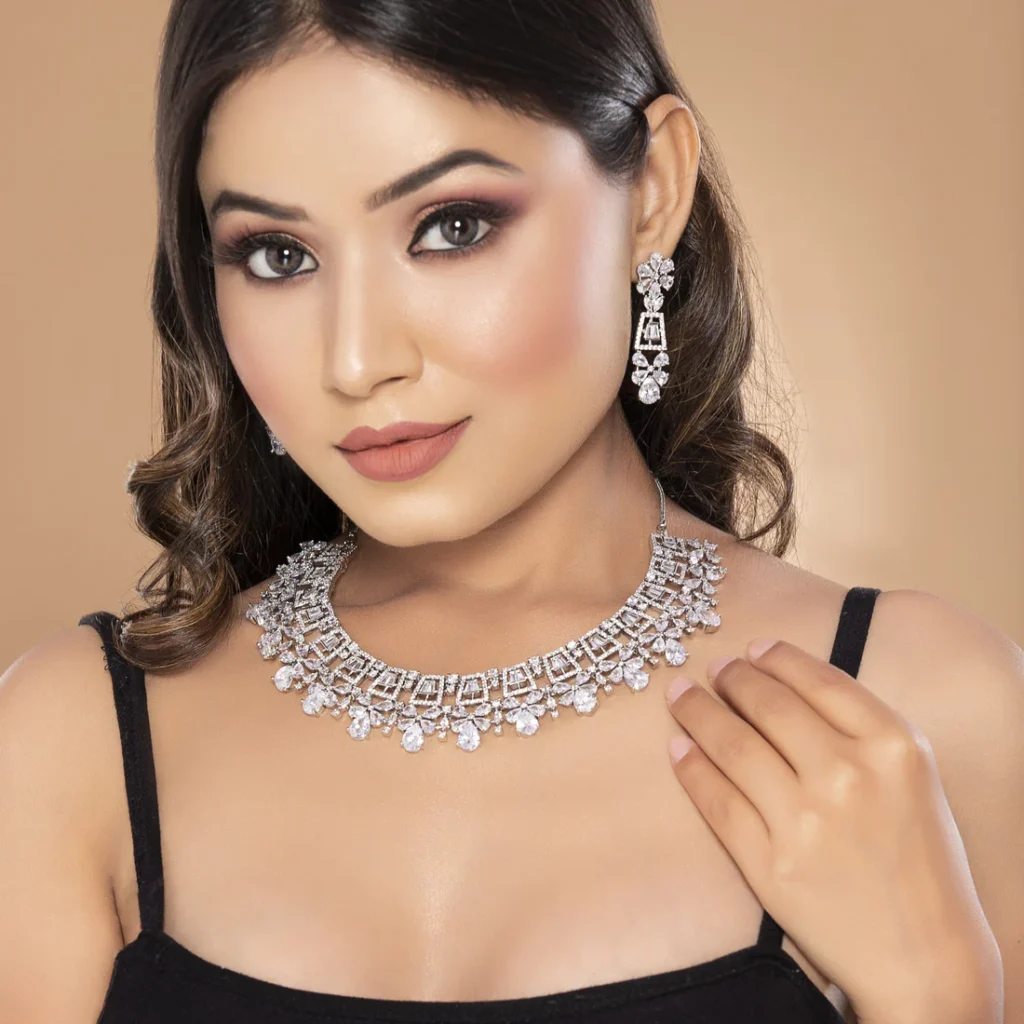
In contemporary fashion, jewelry plays a pivotal role in expressing individual style and personality. Several types of women’s jewelry stand out in today’s market, reflecting current trends and preferences among fashion enthusiasts. Earrings remain a cornerstone of women’s adornment, with styles ranging from simple studs to elaborate chandelier earrings that command attention. Chandelier earrings, known for their intricate designs and elongated forms, offer an elegant option for evening wear, effortlessly elevating formal attire.
Necklaces follow closely as a popular accessory, with statement necklaces emerging as a trend that many women embrace. These bold pieces serve as focal points, allowing wearers to enhance basic outfits. A statement necklace can transform a simple blouse and jeans ensemble into a stylish look, making it suitable for various occasions, from casual outings to formal events. Moreover, layering necklaces has also gained popularity, where varying lengths and styles merge to create a unique effect.
Bracelets are another essential category, with charm bracelets and stackable rings leading the way. Charm bracelets offer a personalized touch, allowing the incorporation of charms that reflect personal milestones or interests. Additionally, stackable rings have become a favored choice for expressing individual flair. Women can mix and match different styles and metals to create curated stacks that tell their unique stories. Using various widths and textures, stackable rings add depth to any outfit, perfect for both everyday wear and special occasions.
In summary, the current landscape of women’s jewelry showcases a blend of tradition and modernity. From earrings that dazzle to necklaces that make a statement, and bracelets that embody personal narratives, these popular types of jewelry cater to diverse tastes and complement a multitude of styles. Fashion enthusiasts can readily adapt these pieces to suit any wardrobe or event, ensuring they remain fashion-forward.
The Role of Jewelry in Self-Expression
Jewelry has long been an essential aspect of women’s fashion, serving not just as adornment but as a potent means of self-expression. Each piece of jewelry carries personal significance; it can encapsulate a moment in time, evoke memories, or symbolize important milestones in a woman’s life. For instance, a necklace gifted from a loved one may represent a profound connection, while statement earrings can reflect the wearer’s bold personality. The choice of jewelry is usually influenced by individual tastes, allowing women to convey their unique styles and emotions without uttering a word.
Moreover, in today’s visually-driven culture, jewelry plays a pivotal role in the narrative a woman chooses to present to the world. With the rise of social media influencers and celebrity trends, the public display of jewelry has grown exponentially. Influencers often showcase different types of jewelry, which can inspire their followers to adopt similar styles or select pieces that resonate with their identities. This influence shapes how women perceive and choose their jewelry, further highlighting the expressive power imbued in these adornments.
The impact of jewelry as a form of self-expression extends beyond mere aesthetics. It represents a language of its own, speaking volumes about the wearer’s personality and individual story. Furthermore, the importance of selecting jewelry that authentically resonates with oneself cannot be overstated. The right pieces have the ability to instill confidence and evoke feelings of empowerment. Therefore, understanding one’s personal vibe and what specific jewelry signifies for them plays an essential role in making thoughtful choices that resonate with a woman’s self-identity.
Sustainable and Ethical Jewelry Trends
The rising consciousness about sustainability in the fashion industry has greatly impacted the jewelry sector. Consumers are increasingly seeking pieces that not only enhance their aesthetic but also reflect their values concerning environmental impact and ethical sourcing. Sustainable jewelry is characterized by the careful selection of materials and manufacturing practices that prioritize ecological responsibility and social integrity.
Several key factors contribute to the definition of sustainable jewelry. The use of recycled metals is a prominent aspect, as it reduces the need for new mining and minimizes the subsequent environmental disruption. Additionally, ethical gemstones, which are sourced from suppliers that ensure fair labor practices and environmentally sound extraction methods, are gaining popularity. This shift towards sustainable materials helps to mitigate the adverse effects often associated with traditional jewelry production, such as harmful mining practices and exploitation of workers.
Several brands stand out in the emerging landscape of sustainable and ethical jewelry. For instance, companies like Brilliant Earth and Vrai are known for their commitment to sourcing materials responsibly while also focusing on transparent manufacturing processes. These brands offer consumers the opportunity to purchase beautiful jewelry that aligns with their social and environmental values. Another noteworthy mention is Mejuri, which emphasizes handmade practices and offers customers detailed insight into their sourcing and labor policies.
For those looking to make more informed choices when purchasing jewelry, it is essential to consider the brand’s transparency regarding sourcing and manufacturing processes. Investigating materials used, certifications obtained, and the overall environmental impact of a piece can help individuals embrace a more eco-conscious approach to fashion. By prioritizing sustainable and ethically sourced jewelry, consumers not only enhance their personal style but also contribute positively to the broader context of the fashion industry.