
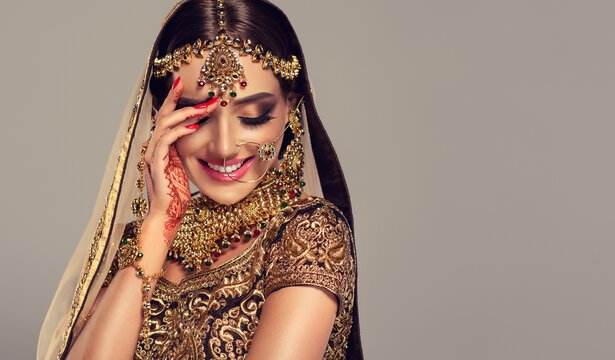
Introduction to Traditional Indian Jewellery
Traditional Indian jewellery holds a significant place in the cultural and historical tapestry of India. It transcends mere ornamentation to embody socio-economic status, inheritance, and skilled craftsmanship. Historically, jewellery has been an integral component of various ceremonies, rituals, and festivals, symbolizing prosperity and good fortune. Each piece carries a rich narrative that reflects the values, traditions, and artistry of its respective region.
Across diverse cultures within India, jewellery serves as a marker of identity. For instance, the gold jewellery worn by brides during weddings represents not only their family’s wealth but also their cultural heritage. Moreover, specific designs and materials used in these ornaments often indicate the wearer’s community, religion, or social standing. For example, the intricate jadau and meenakari work from Rajasthan showcases the craftsmanship and artistry that has been passed down through generations. Similarly, the silver filigree jewellery from Odisha highlights unique regional techniques that contribute to India’s artistic legacy.
The artistry involved in traditional Indian jewellery extends beyond mere aesthetics. It often incorporates symbolic meanings and beliefs; for instance, many pieces are designed with motifs inspired by nature, spirituality, and mythology. This deeper connotation of jewellery reveals how intertwined it is with India’s social fabric, serving multiple roles, from decorative to functional items meant to convey protection and auspiciousness.
As we delve deeper into the various regional types of traditional Indian jewellery, it will become evident that each piece tells a story—an amalgamation of history, identity, and artistry that continues to thrive in contemporary Indian society. Understanding these facets allows for a greater appreciation of the rich heritage encapsulated in traditional jewellery forms.
Regional Variations in Indian Jewellery
Indian jewellery showcases a stunning array of regional variations, each reflecting the rich cultural heritage and traditions of its origin. In Punjab, for instance, jewellery is often characterized by its bold and intricate designs. Pieces such as the ‘maang tikka’ and ‘jhumka’ are adorned with vibrant stones and intricate metalwork, highlighting the exuberant spirit of Punjabi culture. The emphasis on gold and the use of traditional motifs often embody the region’s historical connection to agrarian life and festivals.
Moving westward to Rajasthan, one encounters a distinctive style marked by regal aesthetics. Rajasthani jewellery often incorporates Kundan and Meenakari techniques, presenting an elaborate combination of precious stones and intricate enamel work. The use of silver with a combination of gold is also prevalent, with designs meant to complement the traditional attire worn during celebrations and royal ceremonies. The influence of the desert landscape can be seen in the geometric patterns and the inclusion of local materials like semi-precious stones.
In the southern regions of India, particularly in Tamil Nadu and Kerala, jewellery reveals a deep-seated religious influence. South Indian jewellery often features temple-inspired designs, with intricate carvings of deities and motifs reflecting mythology. Heavily oxidized silver and gold are the primary materials used, contributing to a rich texture that stands out. The ‘vanki’ or armlet and ‘choker’ are traditional adornments that showcase the intricate craftsmanship synonymous with this region.
Meanwhile, Bengali jewellery presents a unique blend of sophistication and simplicity. The use of gold and the design of pieces like ‘shankha’ and ‘pola’ bracelets are deeply rooted in cultural symbolism. Respected artisans often emphasize the spiritual significance of these adornments, which are traditionally worn during festivities and weddings. This juxtaposition of artistry and cultural richness across India illustrates the diverse narratives embedded in the country’s jewellery-making traditions.
Materials and Techniques Used in Traditional Jewellery
Traditional Indian jewellery is renowned for its exquisite craftsmanship and intricate designs, primarily stemming from the diverse materials and time-honored techniques involved in its creation. Gold and silver remain the most sought-after metals, reflecting not only wealth but also cultural significance in various communities. Gold is often preferred for its malleability, allowing artisans to craft detailed motifs, while silver serves as an affordable yet appealing alternative that retains its charm in a multitude of forms.
In addition to precious metals, gemstones play a crucial role in enhancing the aesthetic appeal of traditional jewellery. India is home to a variety of semi-precious and precious stones, such as emeralds, rubies, and diamonds. These gemstones are skillfully set into intricate designs by artisans, thus elevating the piece’s overall elegance. Beads, often crafted from materials such as glass, wood, or seed, are also employed to create vibrant necklaces and bracelets, showcasing the diversity of materials in traditional jewellery making.
Artisans utilize several traditional techniques to adorn these materials, each requiring specialized skills and knowledge passed down through generations. One notable method is meenakari, a technique involving the application of colorful enamel over designs etched into metal. This practice not only enhances the visual appeal but also allows for a broader palette of colors. Kundan work is another prominent technique, wherein gems are set in gold foil, creating a striking, vintage aesthetic that is often associated with royal patronage. Filigree, characterized by delicate, lace-like designs of twisted gold or silver wires, adds a touch of intricacy and unravelled beauty to various pieces.
Through these materials and techniques, traditional Indian jewellery embodies a rich cultural heritage while reflecting the skill and artistry of its creators. Understanding these elements is essential to appreciating the deeper meanings and stories these captivating pieces convey.
The Role of Jewellery in Indian Celebrations and Rituals
Jewellery in Indian culture is not merely an adornment; it serves as a significant emblem in various celebrations and rituals. From weddings to festivals, ornaments play an integral role in marking life’s pivotal moments. Traditionally, during weddings, both the bride and groom are adorned with exquisite pieces that symbolize wealth, prosperity, and the timeless bond of marriage. For instance, the layered necklaces, known as ‘haar,’ and nose rings, or ‘nath,’ are often chosen for their rich historical significance and aesthetic appeal.
Festivals like Diwali, Dussehra, and Pongal also see a rise in jewellery wearing, with families frequently purchasing new pieces to celebrate these joyous occasions. In such events, gold jewellery, in particular, is regarded as auspicious and is believed to bring blessings. Cultural beliefs dictate that adorned individuals are seen as thriving members of society who are connected to their heritage. Thus, the act of wearing jewellery often becomes a form of expressing one’s identity and reverence towards traditions.
As society evolves, the perception of jewellery in modern celebrations has also transformed. While traditional designs remain popular, there is a noticeable shift towards minimalistic and contemporary styles. Today, many individuals blend traditional jewellery with modern attire to create unique looks that pay homage to heritage while reflecting personal style. Experts in the field emphasize that this fusion illustrates the adaptability of Indian jewellery, allowing it to maintain relevance in today’s fast-paced world.
Furthermore, with the rise of sustainable fashion, there is an increasing interest in handmade and ethically sourced pieces, encouraging a new generation to appreciate the artisanship and cultural narratives behind each ornament. In conclusion, jewellery in Indian celebrations holds profound significance beyond embellishment, serving as a vital connector between tradition and modernity.